









Tuberculosis (TB) Treatment & Prevention


Tuberculosis is a deadly, yet curable disease that is burdening millions of the world's poor.


A Global Challenge

Tuberculosis is one of the world's most contagious and deadly diseases with millions dying each year. The vast majority of infections occur in the developing world, placing an especially heavy burden on the world's poorest communities. According to the World Health Organization (WHO), India suffers from more new cases of TB annually than any other country. Close to 2 million developed active TB in India in 2008, accounting for more than 20% of worldwide infections that year.

The disease has remained so persistant in India due to the difficulty of extending treatment to poor communities, primarily in urban slums and rural villages, where access to health care is extremely limited. The Indian government has established an extensive nation-wide treatment program, but difficulties remain in reaching patients. In some regions, a lack of trust or dissatisfaction with government health care has led to patients turning primarily to private health care practitioners for TB treatment. Due to the prolonged and extensive course of medication, private treatment is either too expensive or of poor quality. The end effect is that government subsidized medicine reaches too few patients. Instead, most must suffer through intermittent, substandard treatment with limited effectiveness and an increased likelihood of developing, and spreading, drug resistant strains.

Our Response

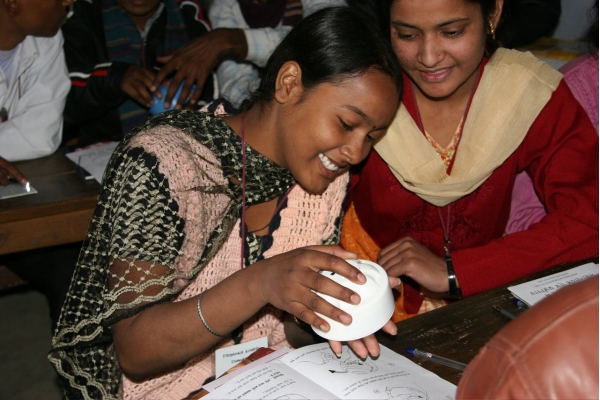
Our primary strategy is to work with all important stakeholders to create high quality and cost-effective treatment programs that can be scaled and replicated across India.  Our partners include state and local governments, non-governmental organizations (NGOs), private health care practitioners, and community organizations.

All of our programs are based on the following principles:

  • Patients deserve high quality, convenient treatment without any discrimination.
  • Programs must be community-based, with staff who represent the diversity of local population.
  • Efforts must be inclusive, bridging gaps between government health care and private practitioners to reach the widest number of patients.

Where We Work

Our TB work started in the state of Bihar in India in 2006, where we have held periodic screening and detection camps to identify patients, enroll them in the government treatment program, and monitor their recovery.  In 2009, we established a permanent community-based treatment program in Moradabad in Uttar Pradesh.  We are currently running treatment programs in Moradabad and in the Samastipur district of Bihar.